Overview & Clinical Background
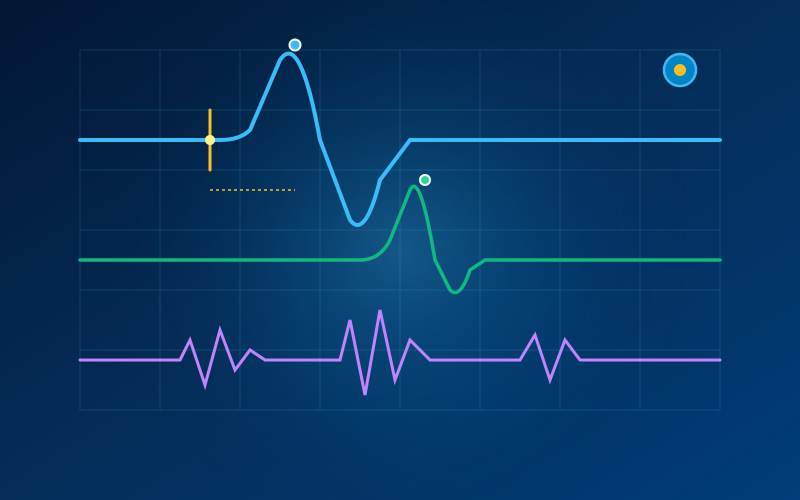
A Nerve Conduction Study (NCS) is an essential non-invasive electrophysiological diagnostic test performed in the dedicated Electrophysiology Lab at Urmila Memorial Hospital. Small surface electrodes are placed on the skin over specific nerves and muscles, and safe, tiny electrical pulses stimulate the nerve to measure conduction velocity, latency, and amplitude of electrical responses.
Signs & Symptoms to Watch For
Recognizing early warning signs prevents irreversible nerve or brain damage.
Root Causes & Underlying Mechanisms
- Diabetic peripheral neuropathy and toxic neuropathies
- Carpal Tunnel Syndrome (median nerve) and Ulnar nerve entrapment at elbow
- Cervical and lumbosacral radiculopathy (pinched nerve roots in spine)
- Guillain-Barré Syndrome (GBS) and CIDP
Diagnostic Evaluation & Testing Protocol
Tests and investigations Dr. Chhatrapal uses to confirm the diagnosis.
Motor Nerve Conduction: Median, Ulnar, Peroneal, and Tibial nerves with F-wave latencies
Sensory Nerve Conduction: Median, Ulnar, Radial, and Sural sensory nerve action potentials (SNAP)
H-reflex Studies: Evaluating S1 radiculopathy and proximal conduction pathways
Treatment Details & Procedures
Every patient at our practice receives a customized treatment roadmap designed under the clinical guidance of Dr. Chhatrapal Singh Sahu. Below are the key treatment modalities and procedural therapies utilized:
Diagnostic Differentiation & Treatment Guidance
Pinpoints whether nerve damage is demyelinating (slowing of conduction) or axonal (loss of amplitude), guiding exact targeted treatment.
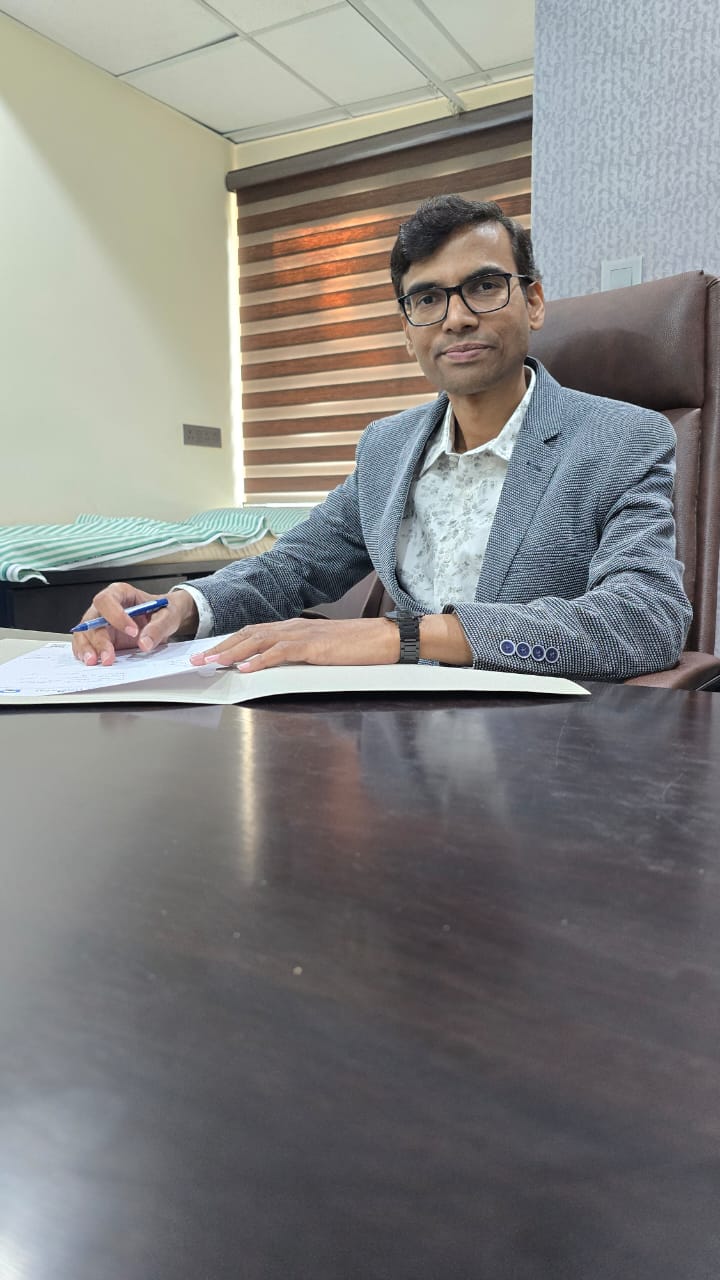
Dr. Chhatrapal Singh Sahu's Approach
MBBS, MD - Medicine, DM - Neurology • Consultant Neurologist
Dr. Chhatrapal Singh Sahu personally supervises testing and interprets waveforms, ensuring testing accuracy and patient comfort.
Frequently Asked Patient Questions
Clarifying common concerns regarding diagnosis, treatment safety, and recovery.