Overview & Clinical Background
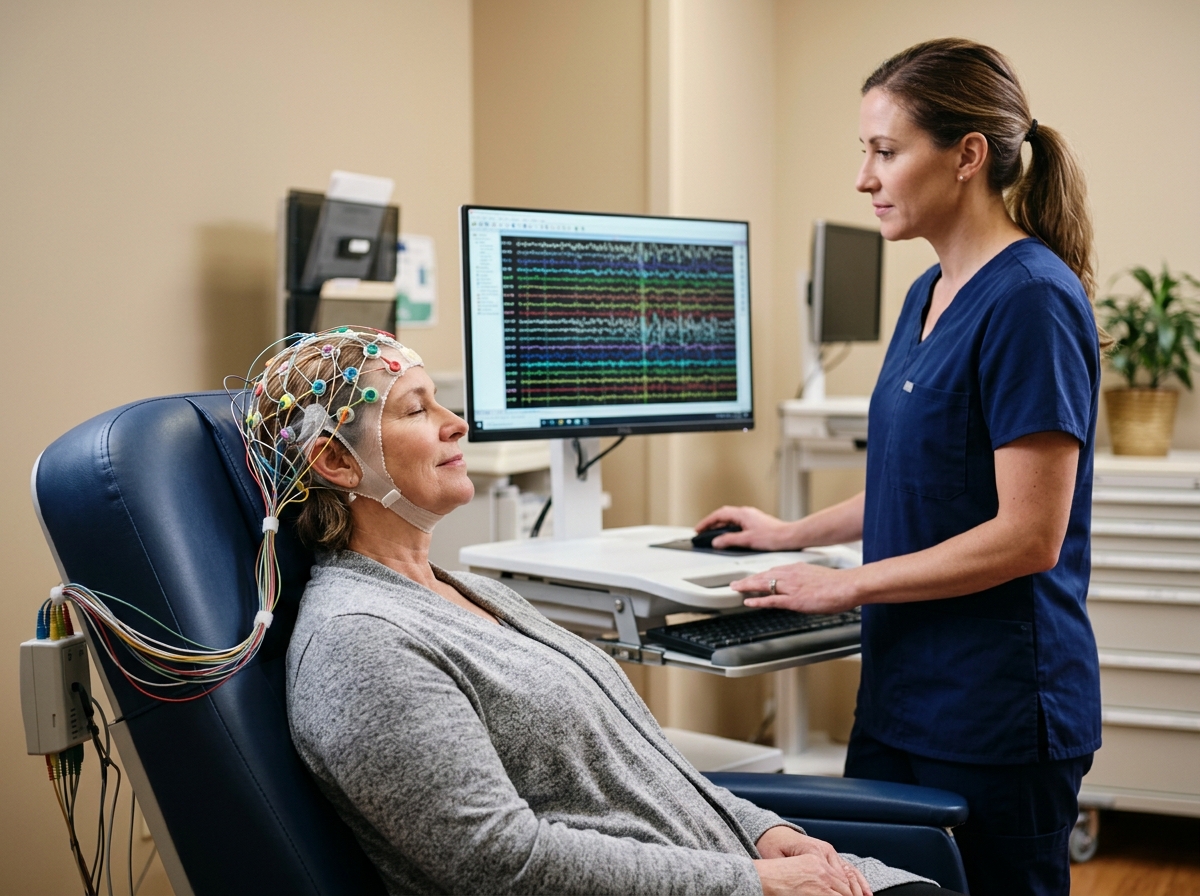
An Electroencephalogram (EEG) is a non-invasive diagnostic procedure that records electrical micro-currents generated by billions of cerebral neurons. At Urmila Memorial Hospital, advanced 24-channel digital video EEG equipment with hyperventilation and intermittent photic stimulation captures subtle epileptiform abnormalities to classify seizure types and guide precise therapy.
Signs & Symptoms to Watch For
Recognizing early warning signs prevents irreversible nerve or brain damage.
Root Causes & Underlying Mechanisms
- Epilepsy syndromes and epileptogenic brain foci
- Metabolic or infectious encephalopathies
- Non-convulsive status epilepticus in ICU patients
Diagnostic Evaluation & Testing Protocol
Tests and investigations Dr. Chhatrapal uses to confirm the diagnosis.
Routine 30-45 Minute Resting Digital EEG
Activation Procedures: 3-minute deep hyperventilation and stroboscopic photic stimulation
Sleep-deprived EEG protocols to uncover latent spike-and-wave discharges
Treatment Details & Procedures
Every patient at our practice receives a customized treatment roadmap designed under the clinical guidance of Dr. Chhatrapal Singh Sahu. Below are the key treatment modalities and procedural therapies utilized:
Diagnostic Confirmation for Targeted AED Selection
Ensures the correct antiepileptic drug is prescribed based on focal vs generalized electrical patterns.
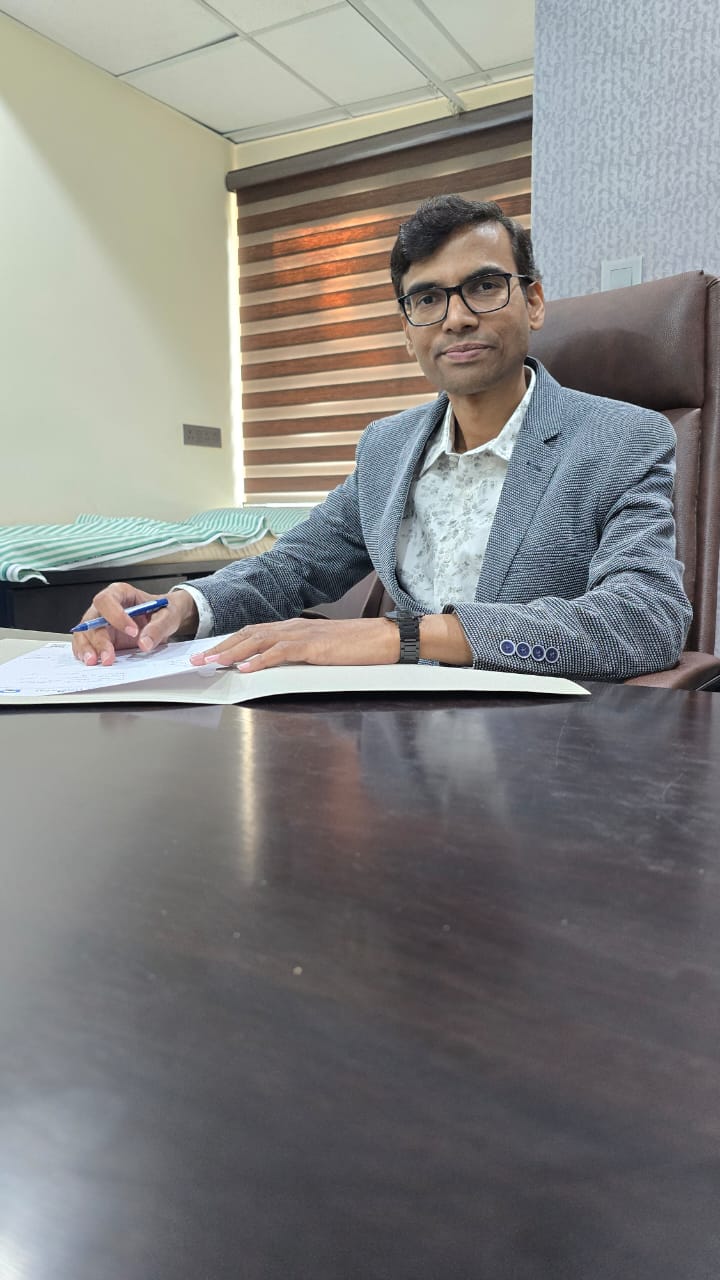
Dr. Chhatrapal Singh Sahu's Approach
MBBS, MD - Medicine, DM - Neurology • Consultant Neurologist
Dr. Sahu interprets each digital recording personally, preventing over-interpretation of benign variants and ensuring accurate clinical decisions.
Frequently Asked Patient Questions
Clarifying common concerns regarding diagnosis, treatment safety, and recovery.