
Understanding the Nervous System's Electrical Circuitry
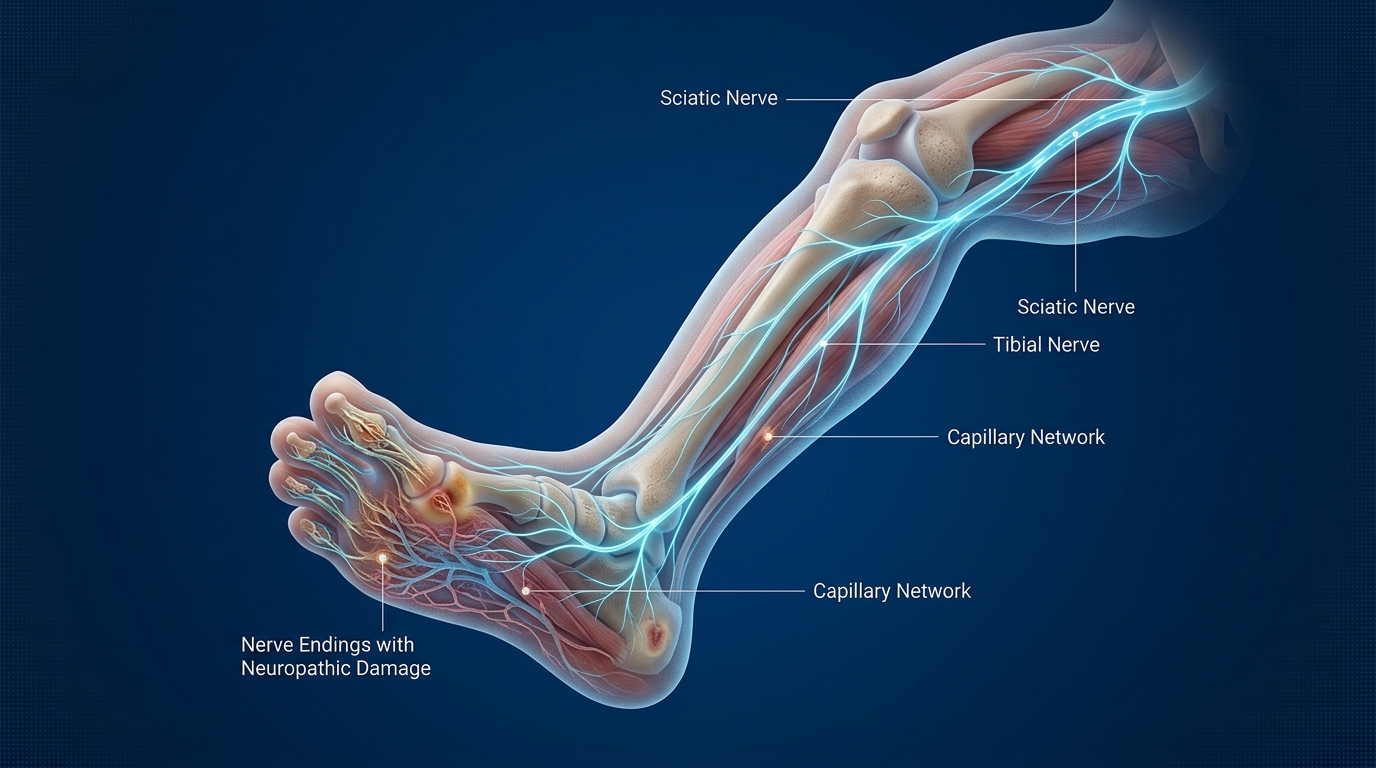
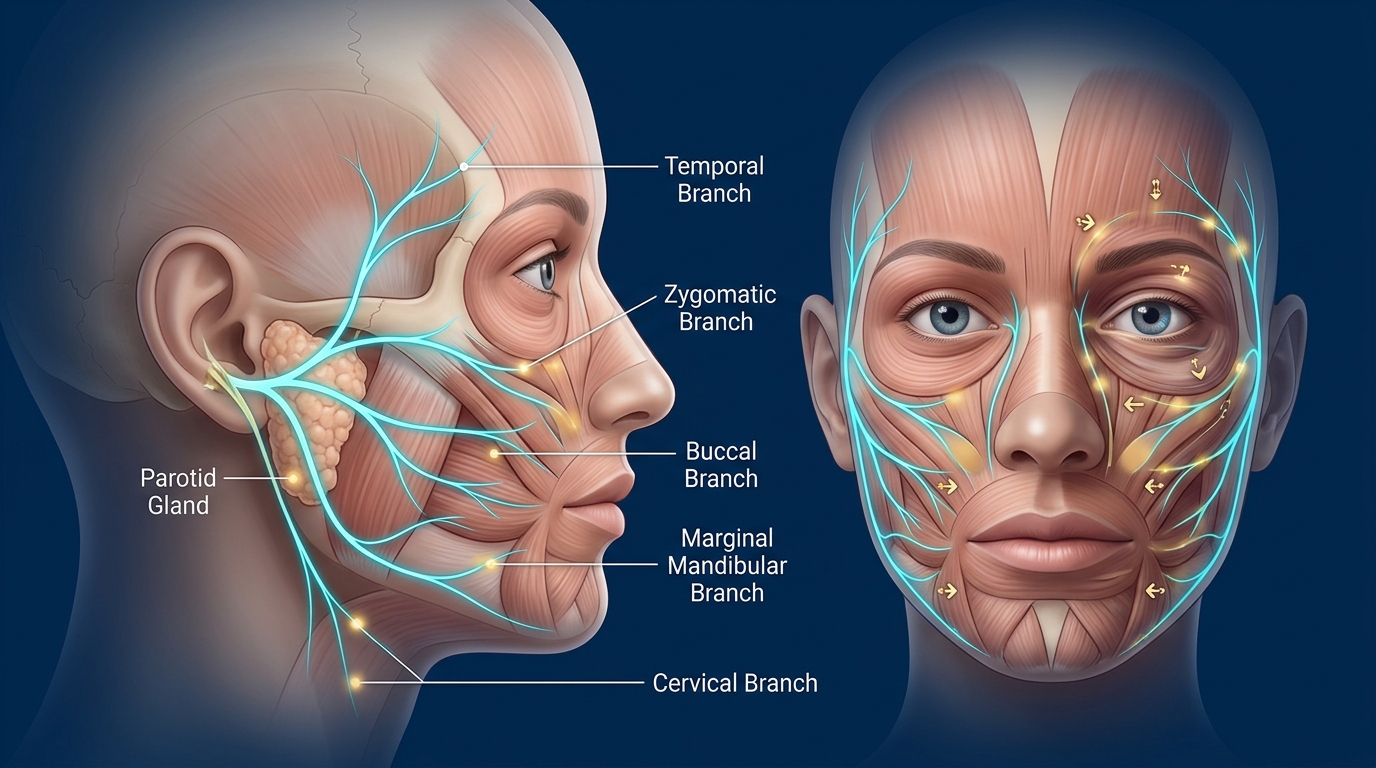
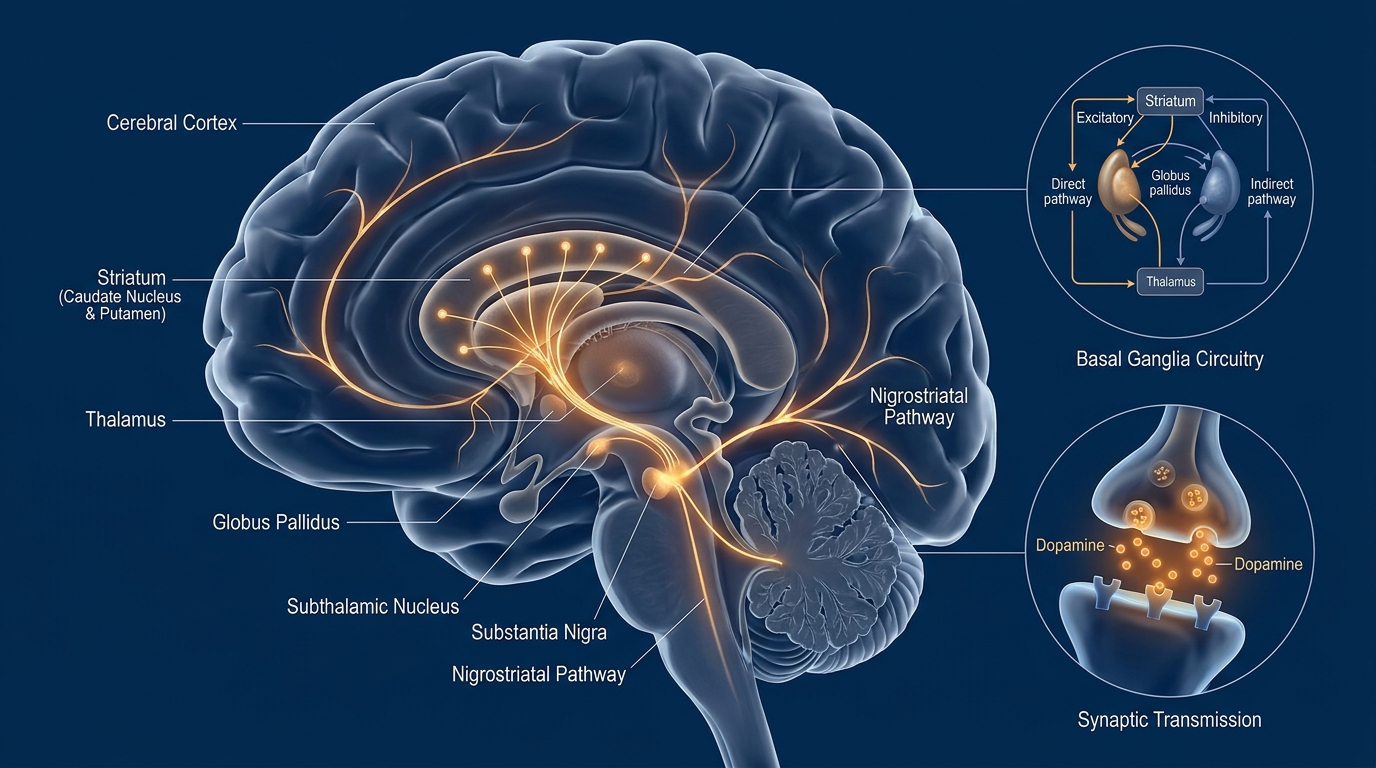
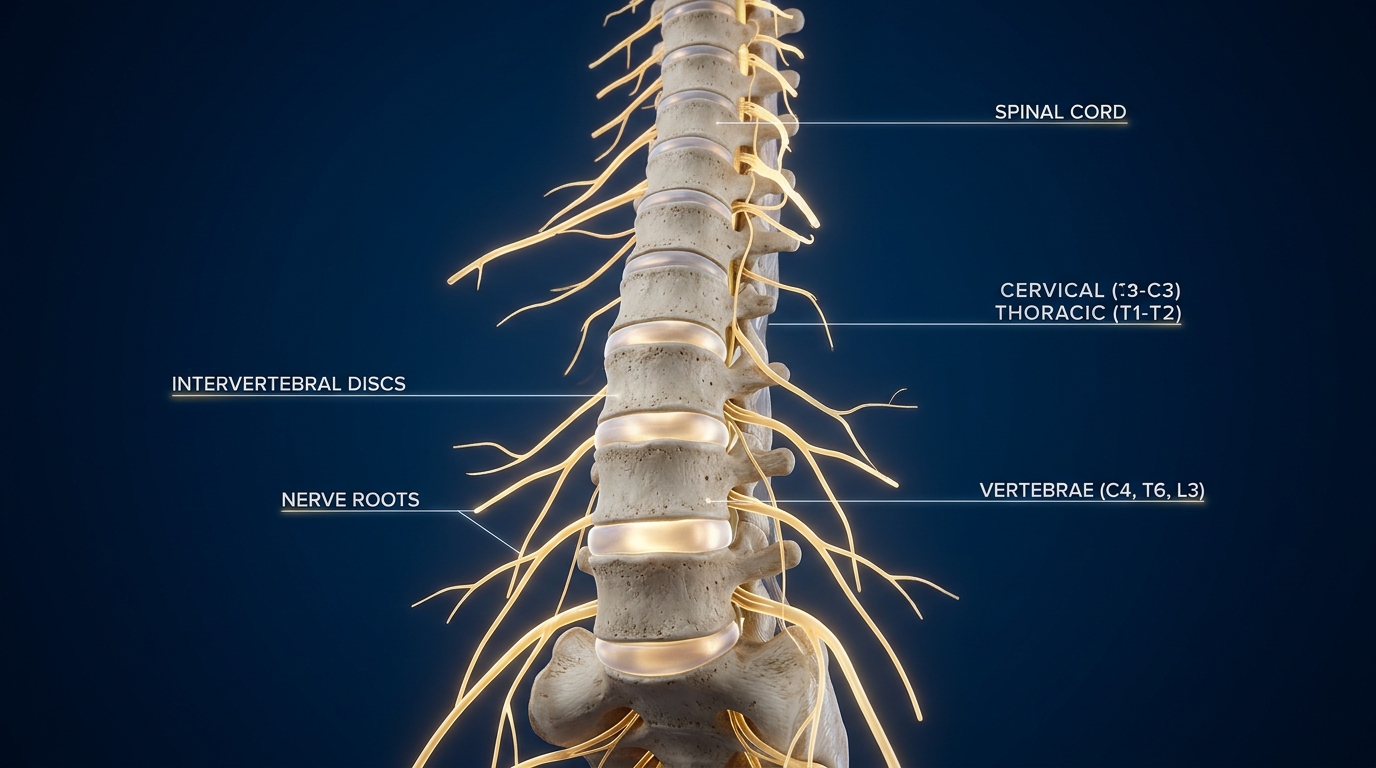
The human nervous system communicates through minute electrical impulses. When nerves are pinched, inflamed, or demyelinated, these electrical signals slow down or become disrupted. Electrophysiology tests allow neurologists to pinpoint the exact site, severity, and prognosis of neuromuscular disorders.
1 Nerve Conduction Study (NCS)
Small surface electrodes are placed on the skin, and mild, harmless electrical pulses stimulate the nerve. It is gold-standard for diagnosing Carpal Tunnel Syndrome, Guillain-Barré Syndrome (GBS), Diabetic Polyneuropathy, and Radiculopathy.
2 Electromyography (Needle EMG)
A microscopic, hair-thin needle electrode is gently inserted into specific muscles to record electrical activity at rest and during slight contraction. It differentiates between muscle diseases (myopathies, polymyositis) and nerve root lesions (motor neuron disease, disc prolapse).
3 Electroencephalography (Digital EEG)
Non-invasive scalp electrodes monitor brain wave patterns. It is crucial for classifying seizure types, ruling out non-epileptic events, monitoring comatose patients, and diagnosing metabolic encephalopathy.